Get free delivery on orders over $100
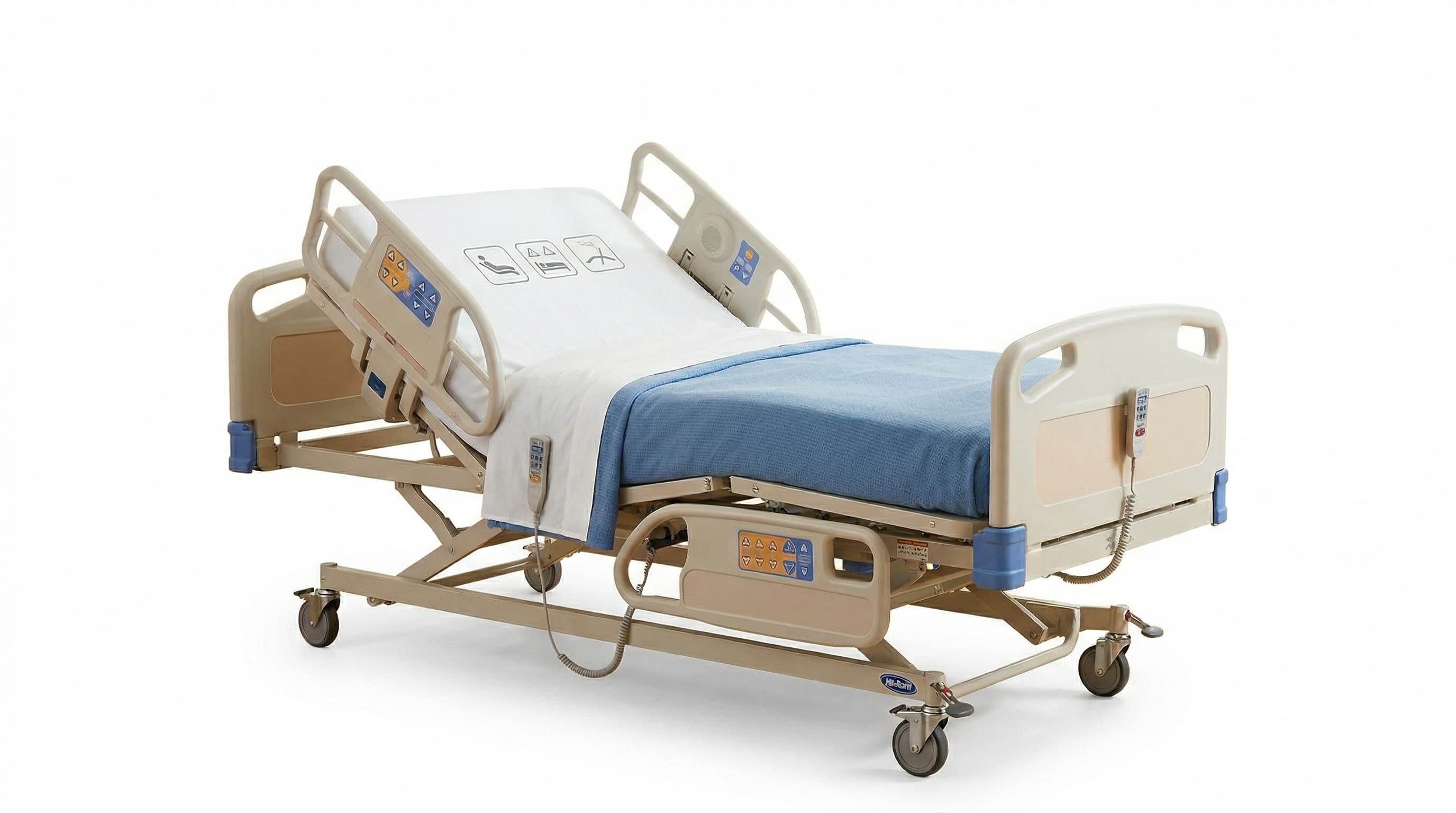
Hospital Beds
Adjustable beds built for clinical-grade support and home-style comfort. Whether you require a fully electric model for effortless positioning or a manual bed for reliable long-term care, these systems are designed to improve circulation and prevent pressure sores. From low-profile frames for easy entry to bariatric options for enhanced stability, each bed in our collection is selected for its quiet operation and ease of use for both patients and caregivers.
Filter Your Results:
6 results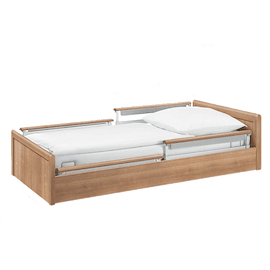
Wissner-Bosserhoff
sentida sc Universal Low Nursing Bed
- SafeFree® Side Rails: Optimal for mobilization, easy to grasp, and individually positionable.
- MobiStick 2: A manual mobilization assistant that is ergonomic and easy to use.
- SafeControl® Handset: Intuitive operation with a motion sensor system for easy reading in the dark.
Wissner-Bosserhoff
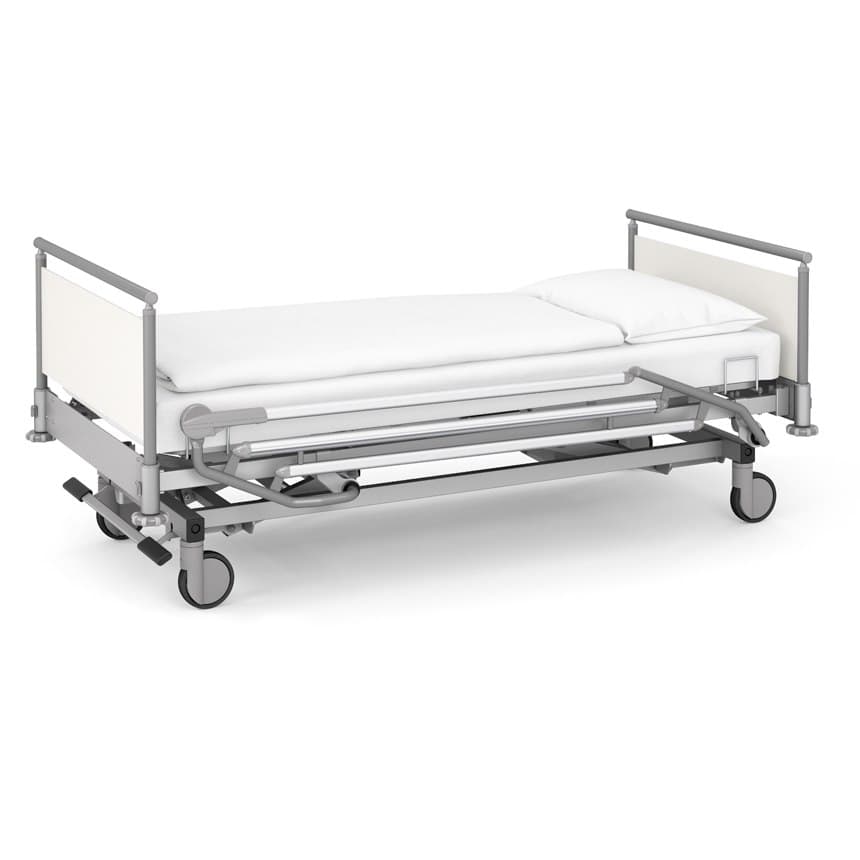
sentida 6 hospitel Hospital Bed
- Safety Features: Patented SafeFree® side rails ensure patient safety.
- Comfort Design: Low height and cozy design for a healing environment.
- Mobility Support: 3-stop strategy for optimal bed positioning.
Wissner-Bosserhoff
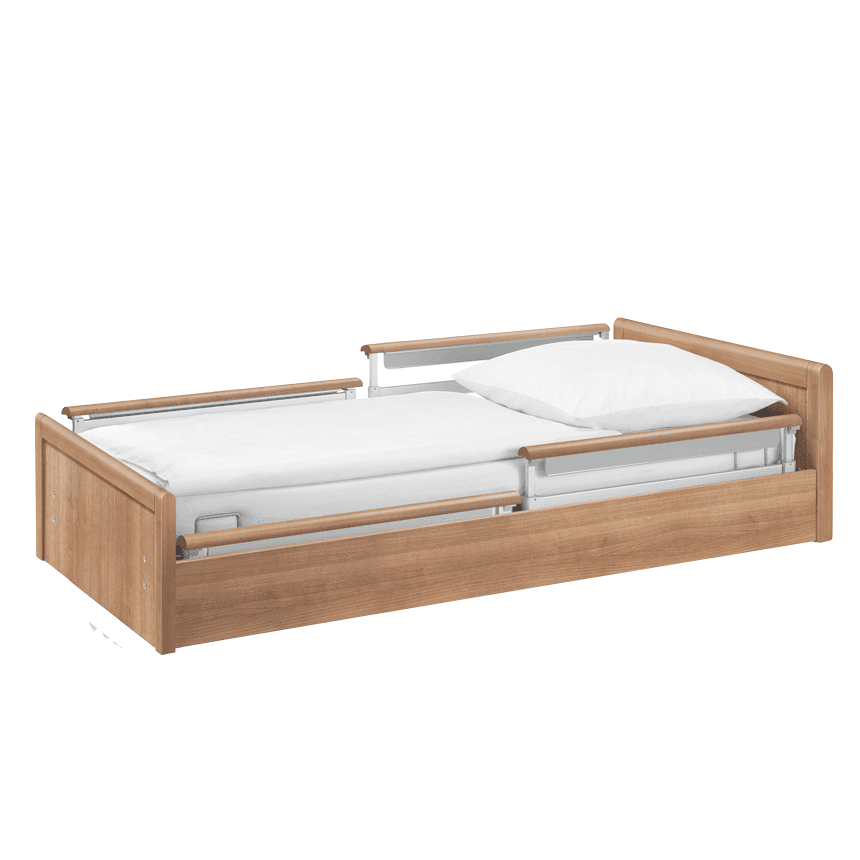
sentida sc Universal Low Nursing Bed
- SafeFree® Side Rails: Provides safe mobilization and support.
- MobiStick 2: Ergonomic manual mobilization assistant.
- SafeControl® Handset: Intuitive and ergonomic design with backlighting.
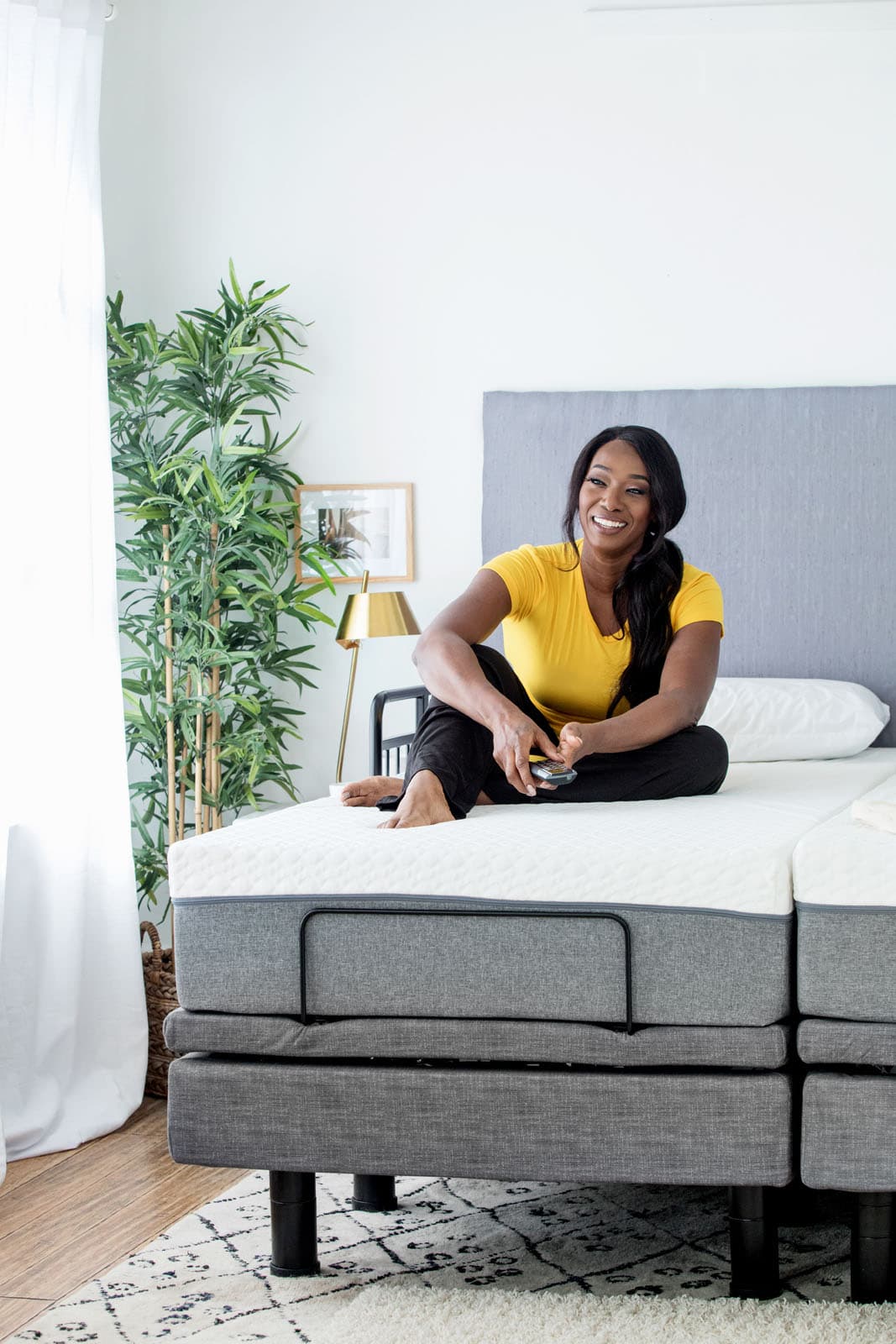
Golden Technologies
Golden Passport Hi Low Bed - King
- King-size (dual Twin XL) premium adjustable hi-low bed with independent side control.
- Dual-zone massage, Bluetooth, LED lighting, and battery backup.
- 880 lb lift capacity.
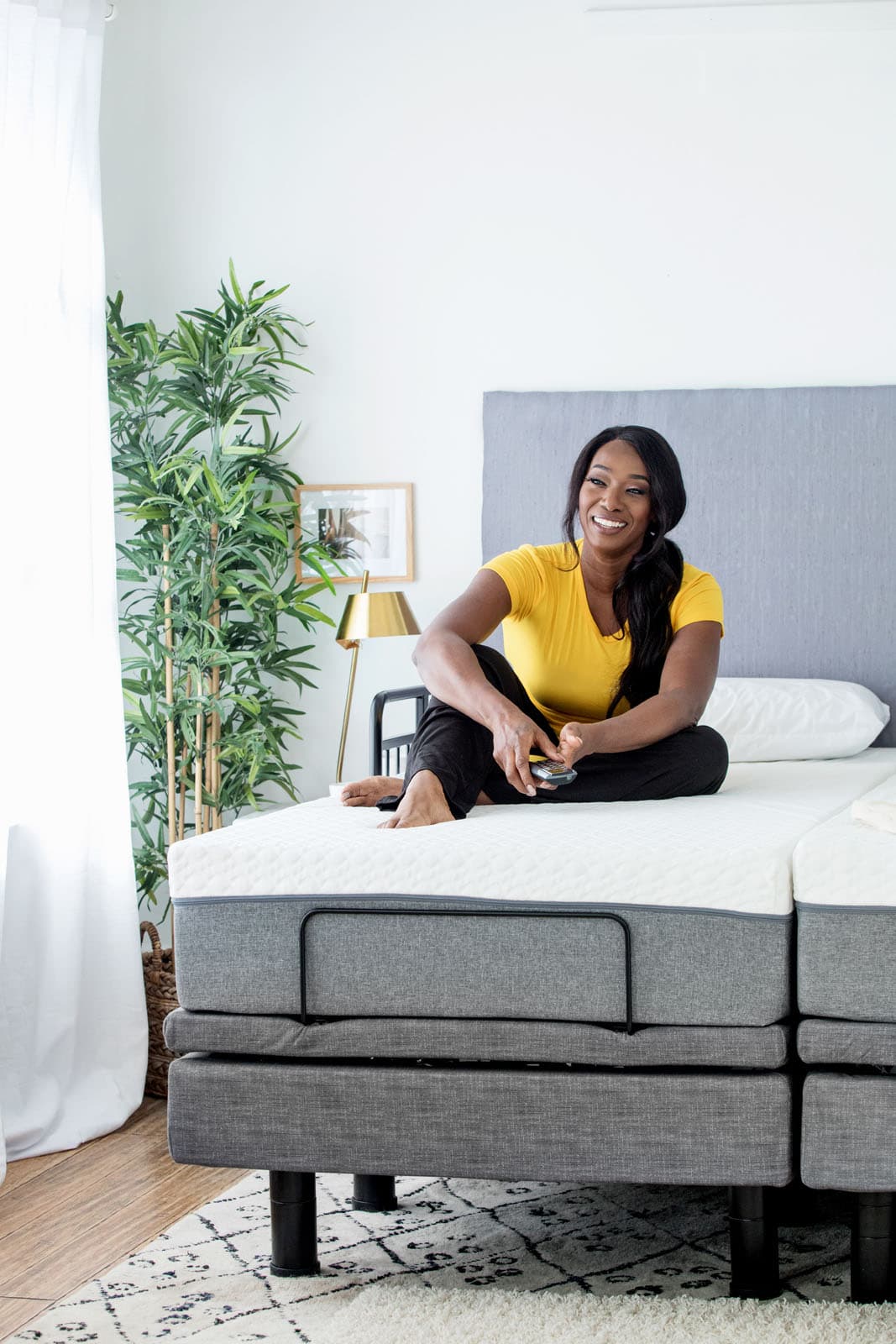
Golden Technologies
Golden Passport Hi Low Bed - Queen
- Queen-size premium adjustable hi-low bed with dual-zone vibrating massage, 22-button wireless remote, underbed LED lighting, and smart device compatibility.
- 880 lb lift capacity.
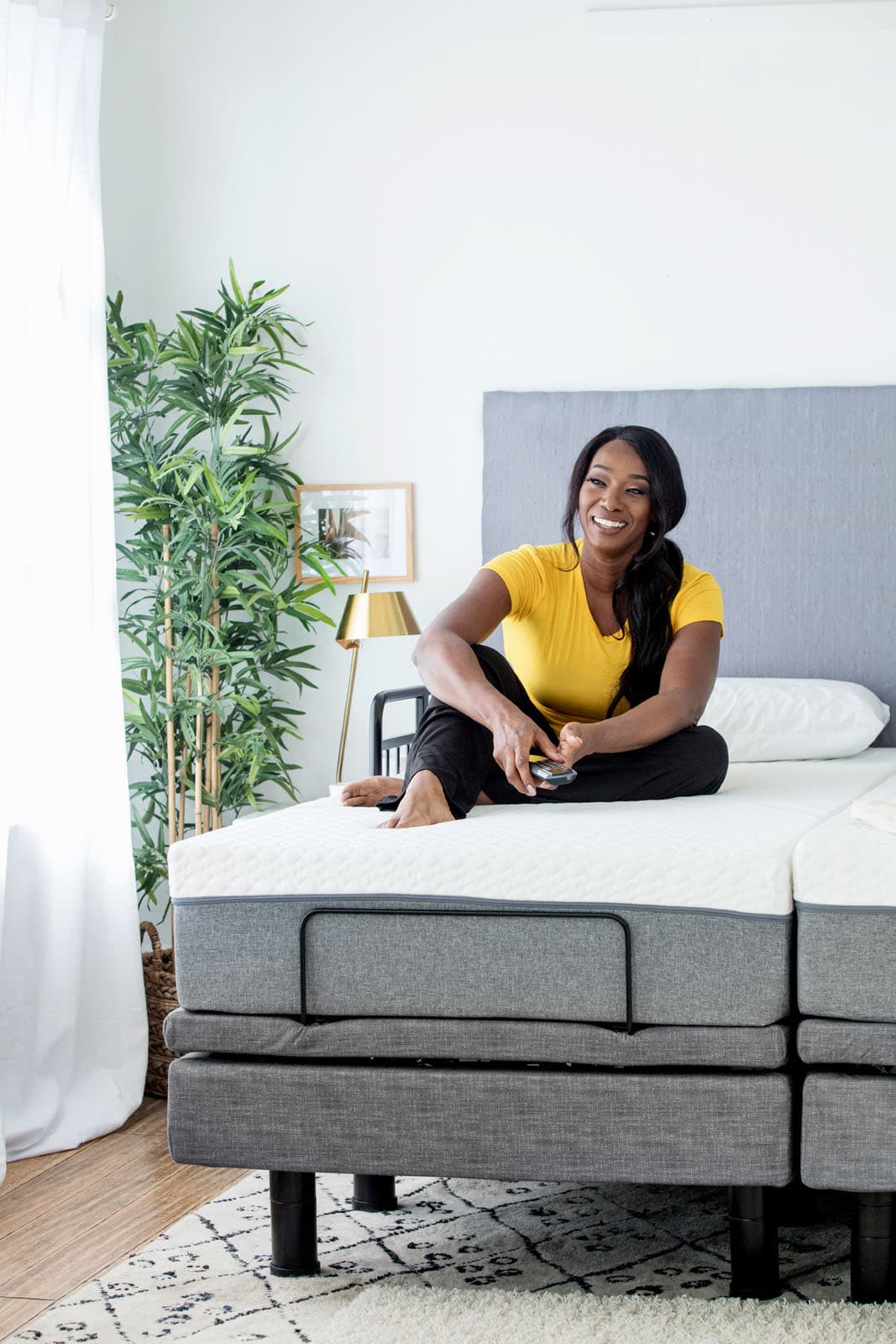
Golden Technologies
Golden Passport Hi Low Bed - Twin XL
- Premium adjustable hi-low bed with up to 11-inch vertical rise, dual-zone vibrating massage, wireless remote, underbed LED lighting, and Bluetooth smart device control.
- 880 lb lift capacity.
Setting up a hospital bed at home can feel overwhelming, but it does not have to be. Whether you are recovering from surgery, managing a chronic condition, or caring for a loved one, the right hospital bed makes daily life safer, more comfortable, and more independent.
This guide walks you through every major type of hospital bed for home use, the mattresses that pair with them, and the accessories that make caregiving easier. By the end, you will know exactly which setup fits your situation.
How to Choose the Right Hospital Bed
Before comparing models, start with four practical questions:
1. What level of mobility does the user have?
Someone who can reposition themselves in bed has different needs than someone who relies entirely on a caregiver. If the person in the bed cannot shift their weight independently, powered height adjustment and a therapeutic mattress become much more important.
2. How involved is the caregiving?
Frequent repositioning, wound care, and transfers in and out of bed are significantly easier when the bed height adjusts electrically. Manual height cranks work fine for occasional adjustments but add physical strain over time.
3. What is the weight capacity requirement?
Standard home hospital beds support 350 to 450 pounds. If the user weighs more than 400 pounds, look at bariatric models rated for 600 pounds or higher.
4. Is this a short-term or long-term need?
A six-week recovery from hip surgery is a very different situation than ongoing home care for a progressive condition. Short-term needs may point toward rental. Long-term needs almost always favor purchasing.
With those answers in hand, the sections below will guide you to the right type.
Full-Electric Hospital Beds
Full-electric hospital beds put every adjustment at the touch of a button. The head section, foot section, and overall bed height all move with a hand pendant, so the person in the bed or a caregiver can make changes without any manual effort.
This matters most in active caregiving situations. Raising the bed to hip height makes transfers to a wheelchair or commode far safer for both the caregiver and the person being moved. Lowering it close to the floor at night reduces fall risk. And adjusting the head and foot sections throughout the day helps with comfort, breathing, and circulation.
Full-electric models are the most popular choice for long-term home care. They typically support 350 to 450 pounds, and many are designed to break down into pieces light enough for two people to move through a standard doorway. If you are setting up ongoing care at home, a full-electric bed is usually the best starting point.
Browse our full-electric hospital bed recommendations
Semi-Electric Hospital Beds
Semi-electric hospital beds offer a middle ground. The head and foot sections adjust electrically using a hand pendant, but the overall bed height is set with a manual hand crank at the foot of the frame.
For many home situations, this is a perfectly practical option. If the person in the bed can get in and out with minimal help, or if height adjustments are only needed occasionally during setup, a semi-electric bed handles daily comfort just as well as a full-electric model. The hand pendant still raises the head for reading, watching TV, or eating, and lowers the foot section for leg elevation.
The main trade-off is caregiver convenience. If you are helping someone transfer in and out of bed multiple times a day, cranking the height each time adds up. But if transfers are infrequent, a semi-electric bed saves several hundred dollars compared to a full-electric model without giving up the powered comfort adjustments people use most.
Compare semi-electric hospital bed options
Adjustable Beds for Seniors
The line between consumer adjustable beds and medical-grade hospital beds has blurred in recent years. If you are researching adjustable beds for a senior who sleeps independently and does not need caregiver assistance, a consumer adjustable base paired with a quality mattress may be all you need.
Consumer adjustable beds raise the head and foot of a standard mattress, which helps with acid reflux, snoring, back pain, and general nighttime comfort. Many come with massage features, USB ports, and wireless remotes. They look and feel like regular bedroom furniture.
Medical-grade hospital beds go further. They offer height adjustment, higher weight capacities, side rail compatibility, and mattress surfaces designed for pressure injury prevention. If there is any chance the person will need help with transfers, repositioning, or wound care, a hospital bed is the safer choice.
The simplest way to decide: if the bed is primarily for sleep comfort, an adjustable base works well. If it is part of a care plan, go with a hospital bed.
Explore adjustable beds designed for seniors
Bariatric Hospital Beds
Standard hospital beds are built for users up to about 450 pounds. Bariatric hospital beds extend that capacity to 600, 750, or even 1,000 pounds, with wider sleep surfaces and reinforced steel frames.
Width is just as important as weight capacity. A standard hospital bed mattress is 36 inches wide. Bariatric models typically offer 42 to 54 inches, giving larger users the room they need to sleep comfortably and reposition safely. The wider frame also makes it easier for caregivers to assist with turning and wound care.
Most bariatric hospital beds are full-electric with heavy-duty motors built for the higher loads. Look for models with a low bed height option (around 10 to 12 inches from floor to mattress top) to reduce fall risk, and make sure the mattress you pair with it is rated for the same weight capacity as the frame.
Because bariatric beds are heavier and wider than standard models, measure your doorways and room dimensions before ordering. Many can still be disassembled for delivery, but the assembled width will be several inches wider than a standard hospital bed.
Hospital Bed Mattresses
The mattress matters just as much as the bed frame. A hospital bed frame is adjustable steel. The mattress is what actually touches the person for 12 to 20 hours a day, and the wrong one can lead to pressure injuries, poor sleep, and unnecessary discomfort.
For general home use, a high-density foam mattress with a pressure-redistribution surface is a solid starting point. If the person is at moderate to high risk of pressure injuries, step up to a pressure-relief mattress with alternating pressure or low air loss technology.
Alternating pressure mattresses use air cells that inflate and deflate on a timed cycle, constantly shifting pressure points to prevent tissue breakdown. They are a strong choice for people who cannot reposition themselves.
Low air loss mattresses push a continuous stream of air through tiny perforations in the surface, managing moisture and heat buildup. These are especially helpful for people with existing pressure injuries or those who perspire heavily.
Both types require a pump, which adds some noise to the room. Modern pumps are much quieter than older models, but it is worth listening to one before committing if noise sensitivity is a concern.
See our hospital bed mattress guide | Alternating pressure mattress options | Low air loss mattress options
Hospital Bed Rental vs. Buying
Renting a hospital bed makes sense when the need is temporary and well-defined. A six-week recovery from surgery, a short rehabilitation period, or a trial run before committing to a purchase are all good reasons to rent.
Buying makes sense for ongoing or progressive conditions. If someone will need a hospital bed for more than three to four months, purchasing almost always costs less over time. Ownership also means you choose the exact model, mattress, and accessories that fit your situation rather than working with whatever the rental company has available.
Medicare and insurance: Original Medicare Part B may cover hospital bed rental under the Durable Medical Equipment benefit if a doctor certifies it as medically necessary. Coverage is more likely if the bed is used for a specific medical condition that requires features a regular bed cannot provide, such as head elevation for congestive heart failure or height adjustment for safe transfers. Check with your insurance provider for specifics.
What to ask a rental company: Confirm the bed model, mattress type, delivery and setup fees, maintenance responsibility, and the minimum rental period. Some companies require a three-month minimum even if you only need the bed for six weeks.
Read our full rental vs. buying breakdown
Hospital Bed Accessories
The right accessories fill in the gaps that the bed frame and mattress leave open.
Side rails provide something to grip when repositioning in bed or sitting up. Half-length rails are the most common choice for home use. They protect against rolling out of bed during sleep while still allowing easy entry and exit from the lower portion of the bed. Full-length rails are available but should be used carefully, as they can create entrapment risks if not properly sized for the mattress.
Overbed tables roll into position over the bed for meals, reading, a laptop, or medications. Look for a table with a tilt-adjustable top and a sturdy H-base that slides under the bed frame without tipping.
Trapeze bars mount to the headboard and give the person in the bed a handle to pull themselves up or reposition. This is one of the most effective tools for preserving upper body independence and reducing the physical load on caregivers.
Bed wedges and positioning pillows help maintain specific angles for comfort, breathing, or wound care between mattress adjustments. They are inexpensive and worth having on hand.
Find the Right Hospital Bed for Your Situation
Choosing a hospital bed for home use comes down to matching the equipment to the person's needs, the caregiver's daily reality, and the space you have available. Start with the type of bed, choose a mattress that fits the risk level, and add accessories as specific needs become clear.
If you have questions about which hospital bed setup is right for your situation, the Cerigra team is here to help. Call us at (945) 378-5255 or browse our full selection online. We will walk you through the options and make sure you get exactly what you need.
Talk to an Expert
Price Match Guarantee
Find it lower? We'll match it
HSA/FSA Eligible
Tax-free healthcare spending