Get free delivery on orders over $100
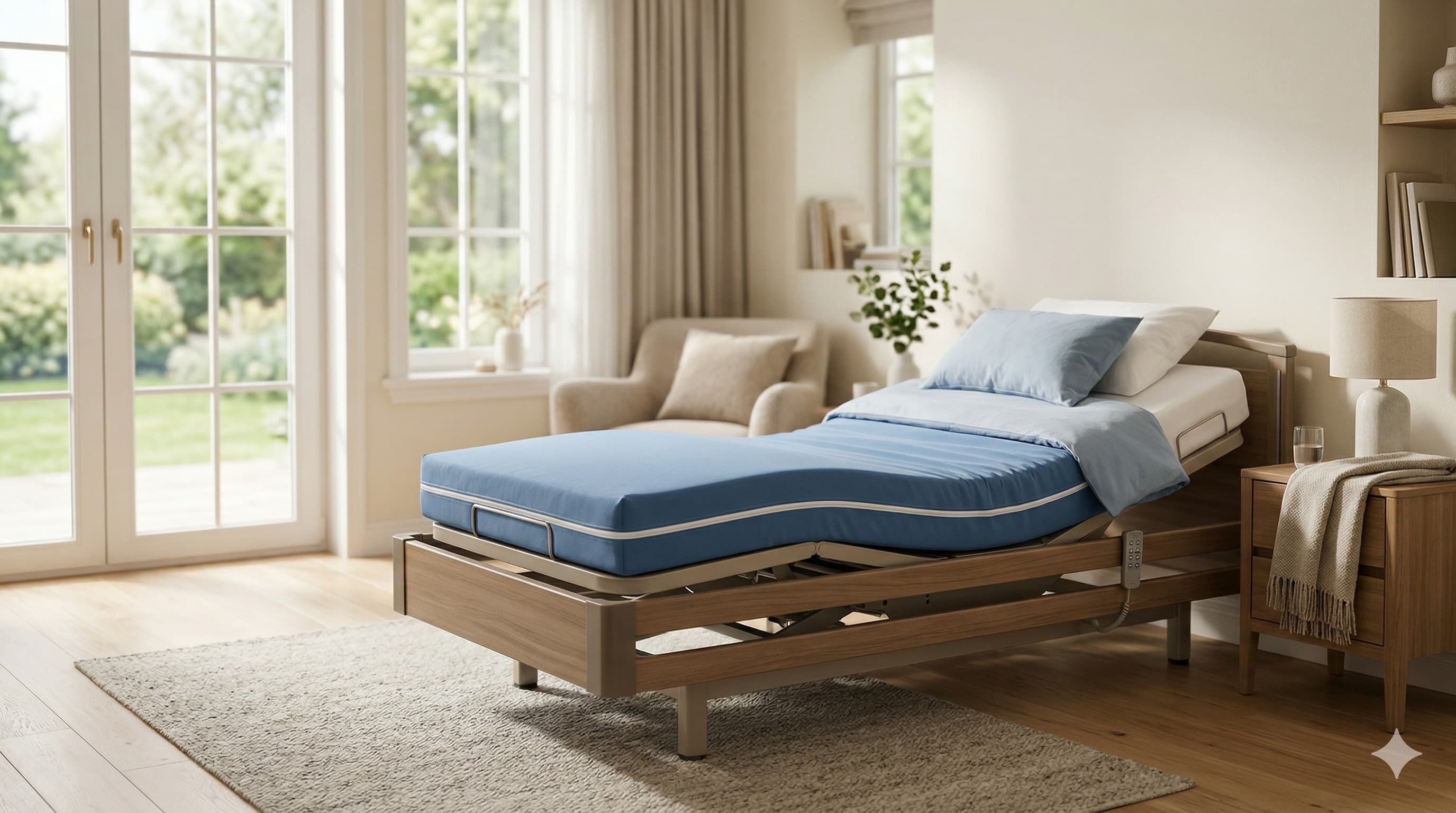
Hospital Bed Mattress: A Complete Buying Guide
Not all hospital bed mattresses are the same. Learn how to choose between innerspring, foam, alternating pressure, and low air loss mattresses based on comfort needs, skin integrity risk, and budget.
Cerigra Team
The mattress that comes with a hospital bed is not always the right one for long-term use. Stock mattresses are often thin, basic innerspring models designed for temporary stays, not for someone who spends eight or more hours a day in bed at home. A poor-fitting or worn-out mattress can cause discomfort, disrupt sleep, and increase the risk of pressure injuries over time.
Choosing a replacement means navigating a few unfamiliar terms -- alternating pressure, low air loss, therapeutic foam -- and matching the mattress to both the bed frame and the person using it. This guide breaks down the main types of hospital bed mattresses, explains who each one is best for, and walks through the practical details of sizing, compatibility, and price so you can make a confident choice.
Standard Hospital Bed Mattress Dimensions
Hospital bed mattresses follow a standard footprint: 36 inches wide by 80 inches long. That is about 2 inches narrower than a standard twin and the same length as a twin XL. Thickness typically ranges from 6 to 8 inches, though some specialty mattresses can be thinner or thicker depending on the support system.
These dimensions apply to most full-electric, semi-electric, and manual home care hospital beds. If you are shopping for a bariatric hospital bed, the mattress width increases -- usually to 42 or 48 inches -- and you will need a bariatric-specific mattress to match.
Before ordering, confirm the dimensions of your bed's mattress deck. Most standard home care beds accept a 36 x 80 mattress without issue, but checking avoids a frustrating return.
Types of Hospital Bed Mattresses
Hospital bed mattresses fall into a handful of categories. The differences come down to how they manage pressure, heat, and moisture -- and how much active support they provide.
Innerspring Mattresses
Innerspring hospital bed mattresses use steel coils topped with a thin comfort layer of foam or fiber. They are the most affordable option, typically $100 to $200, and are adequate for people who spend limited time in bed or are recovering from a short-term illness.
Best for: Short-term use, people who are mobile and reposition frequently on their own, or as a temporary mattress while waiting for a specialty order.
Limitations: Innerspring mattresses offer minimal pressure redistribution. The coils create concentrated pressure points, especially around the hips and shoulders. For anyone spending extended hours in bed, a foam or air-based mattress is a better investment.
Therapeutic Foam Mattresses
High-density foam mattresses -- sometimes labeled "therapeutic foam" or "pressure redistribution foam" -- are the most common upgrade from innerspring. They use layers of varying foam densities to spread the sleeper's weight across a larger surface area, reducing pressure on bony prominences like the sacrum, heels, and shoulder blades.
Prices range from roughly $150 to $400 depending on foam quality, density, and thickness. A well-made foam mattress from a reputable manufacturer is a solid choice for most home care situations.
Best for: People who spend several hours a day in bed, those at low to moderate risk for pressure injuries, and anyone who wants better overall comfort compared to an innerspring.
What to look for: Foam density matters more than thickness alone. Higher-density foams (1.8 lb/ft3 and above) last longer and offer better support. Some models include a firmer base layer with a softer top layer for comfort, which is a practical design for home care.
Alternating Pressure Mattresses
Alternating pressure mattresses use a series of air cells connected to a small electric pump. The pump alternates which cells are inflated and which are deflated on a timed cycle, usually every few minutes. This creates a shifting pressure pattern that reduces sustained contact on any one area of skin.
These systems typically cost $200 to $600 for a home care model, depending on the pump features and mattress construction. Some are designed as overlays that sit on top of an existing mattress, while others are full replacement mattresses.
Best for: People at moderate to high risk for pressure injuries, those who cannot reposition themselves easily, and those with early-stage skin concerns as directed by a healthcare provider.
Important note: If a healthcare provider has recommended a specific support surface, follow their guidance on the type and settings. Alternating pressure is a step up in active pressure management, but the right cycle time and pressure settings can vary by individual.
Low Air Loss Mattresses
Low air loss mattresses are the most advanced option commonly used in home care. They feature air cells with tiny perforations that allow a continuous flow of air across the skin surface. This serves two purposes: redistributing pressure (similar to alternating pressure) and managing moisture by keeping the skin drier.
Expect to pay $500 to $2,000 or more for a quality low air loss system. The price reflects the more sophisticated pump, the moisture management technology, and the clinical-grade construction.
Best for: People at high risk for pressure injuries, those with existing pressure injuries, individuals who experience excessive moisture or perspiration, and anyone who spends the majority of the day in bed.
What to know: Low air loss mattresses require a reliable power source and generate a low hum from the pump. Most home care models are quiet enough to sleep through, but it is worth testing or asking about noise levels before buying. These systems also require periodic maintenance -- checking air cell integrity and cleaning the pump filters.
Gel and Gel-Infused Foam Mattresses
Gel mattresses incorporate gel layers or gel-infused foam to help regulate temperature. They address a common complaint with standard foam mattresses: heat retention. The gel absorbs and disperses body heat, keeping the sleeping surface cooler.
Pricing is similar to therapeutic foam, typically $200 to $500, depending on the gel technology and foam quality underneath.
Best for: People who sleep hot, those in warmer climates, and anyone who finds standard foam mattresses uncomfortable due to heat buildup. Gel mattresses offer moderate pressure redistribution but are primarily a comfort upgrade over plain foam.
Bariatric Mattresses
Bariatric hospital bed mattresses are built for individuals who exceed the weight capacity of standard mattresses, generally those over 300 to 350 pounds. They are wider (42 to 54 inches), use higher-density foams or reinforced air systems, and are rated for weight capacities of 500, 600, or even 1,000 pounds depending on the model.
Prices range from $300 to $1,000+, with powered bariatric low air loss systems at the higher end.
Best for: Anyone whose weight approaches or exceeds the rated capacity of a standard hospital bed mattress. Using a standard mattress beyond its weight rating compresses the foam prematurely, eliminates pressure redistribution, and can void the mattress warranty.
Compatibility note: Bariatric mattresses require a bariatric bed frame. A standard 36-inch-wide hospital bed cannot accommodate a 42- or 48-inch bariatric mattress. Make sure the bed and mattress are sized together.
How to Choose the Right Hospital Bed Mattress
With several types available, the decision comes down to a few practical factors.
How many hours per day will the person spend in bed?
Someone who is up and moving for most of the day and only sleeps in the hospital bed has different needs than someone who is bed-bound or semi-bed-bound. For limited bed use, a quality foam mattress is usually sufficient. For extended time in bed -- 15 or more hours a day -- consider alternating pressure or low air loss.
What is the person's risk level for pressure injuries?
A healthcare provider can assess pressure injury risk using standardized tools like the Braden Scale. If the risk is low, foam works well. If the risk is moderate to high, alternating pressure or low air loss offers active protection that passive foam cannot match. Do not try to self-assess this -- a provider's evaluation ensures the right level of support.
Does the person have existing skin breakdown?
For anyone with an existing pressure injury, the mattress choice should be guided by a clinician. Low air loss is frequently recommended by clinicians for managing pressure and moisture during wound care. An alternating pressure mattress may also be appropriate for earlier-stage injuries.
What is the person's weight?
Standard hospital bed mattresses are typically rated for around 300 to 350 pounds, though ratings vary by manufacturer. If the person is near or above that range, a bariatric mattress is not optional -- it is necessary for both safety and effective pressure management.
Is temperature a concern?
If the person tends to sleep hot or lives in a warm environment, gel-infused foam or a low air loss system (which circulates air) will be more comfortable than standard foam or innerspring.
Quick Price Reference
| Mattress Type | Typical Price Range |
|---|---|
| Innerspring | $100 -- $200 |
| Therapeutic foam | $150 -- $400 |
| Gel / gel-infused foam | $200 -- $500 |
| Alternating pressure | $200 -- $600 |
| Low air loss | $500 -- $2,000+ |
| Bariatric (foam or air) | $300 -- $1,000+ |
Prices are approximate as of early 2026 and vary by brand, features, and retailer.
A mid-range therapeutic foam mattress ($200 to $300) is the most common choice for home care -- good pressure redistribution, reasonable durability, and an accessible price. Step up to alternating pressure or low air loss when the clinical situation calls for it.
What to Check for Bed Compatibility
Before buying, verify a few things about your hospital bed frame:
Mattress deck type. Most home care hospital beds use a slatted or mesh-panel mattress deck. Foam and innerspring mattresses work on both. Powered air mattresses (alternating pressure, low air loss) need adequate airflow underneath -- mesh decks are ideal.
Weight capacity. Every hospital bed has a rated safe working load that includes the patient and the mattress. A heavier mattress (like a dense foam or bariatric model) subtracts from the patient weight the bed can safely support. Check the bed's spec sheet if you are replacing the original mattress with a heavier one.
Side rail clearance. A thicker replacement mattress may sit higher than the original, reducing the effective height of the side rails. If the side rails no longer provide adequate protection after a mattress swap, that is a safety issue worth addressing.
Power cord access. Alternating pressure and low air loss mattresses need a pump plugged into a wall outlet. Make sure there is a reachable outlet near the bed and that the cord does not create a trip hazard.
When to Replace a Hospital Bed Mattress
Hospital bed mattresses do not last forever, and a worn-out mattress loses its ability to redistribute pressure effectively. Consider replacing the mattress when:
- Visible sagging or body impressions do not recover when the bed is empty. Foam mattresses should return to a flat, even surface.
- The cover is cracked, torn, or no longer waterproof. A compromised cover allows moisture into the foam, which breeds bacteria and degrades the material.
- The mattress has "bottomed out." Press into the mattress at the heaviest load point. If you can easily feel the bed deck through the foam, the mattress has lost its therapeutic value.
- It has been 3 to 5 years of regular use. High-density foam mattresses used daily typically last 3 to 5 years. Innerspring mattresses may last slightly longer structurally but lose comfort faster.
- The person's condition has changed. Weight gain, a new pressure injury, or increased time in bed may mean the current mattress type is no longer appropriate, even if it is not worn out.
For powered air mattresses, also check for air cells that fail to inflate, noisy or struggling pumps, and connectors that no longer seal properly.
Frequently Asked Questions
Does a hospital bed need a special mattress?
Yes. Hospital beds use a narrower mattress size (36 x 80 inches) than standard consumer beds, and the mattress needs to be compatible with the bed's adjustable sections. A regular twin mattress will not fit correctly and will bunch or gap when the head or foot section is raised. Always use a mattress designed for a hospital bed frame.
Can I use a mattress topper on a hospital bed?
You can, and many people do to add comfort. Foam, gel, and egg-crate toppers are all common. However, a topper does not replace a worn-out mattress -- it adds a comfort layer on top of an adequate base. Also keep in mind that a topper adds thickness, which affects side rail height and may interfere with bed adjustability if it is too thick. Two to three inches is a practical maximum for most setups, since a thicker topper can raise the sleep surface above the side rails.
What is the best mattress for a hospital bed?
There is no single best option -- it depends on how much time the person spends in bed, their pressure injury risk, their weight, and their comfort preferences. For most home care situations, a high-density therapeutic foam mattress in the $200 to $300 range offers the best balance of comfort, pressure redistribution, and value. If a clinician has identified higher risk, alternating pressure or low air loss provides more active support.
Are hospital bed mattresses covered by insurance?
Medicare and some private insurers may cover therapeutic support surfaces (including certain mattresses and overlays) when prescribed by a physician and the patient meets specific medical criteria -- typically a documented pressure injury or high risk of developing one. Coverage, copays, and qualifying criteria vary, so check with your insurance provider and ask your healthcare team about the documentation needed.
Choosing the right hospital bed mattress is one of the most impactful comfort and safety decisions in a home care setup. If you need help matching a mattress to your bed or situation, browse Cerigra's therapeutic mattress selection or call our team at (945) 378-5255 to walk you through the options.